Thank you for your interest in joining our team. Our application system is undergoing maintenance starting July 17 at 11 p.m. U.S. PT. During this time, join our Global Talent Network or sign up for Job Alerts. Be sure to come back after 10 a.m. PT on July 18 to apply for jobs.

Skip to main content
768x576 / 1920x520 placeholder

Aerospace Careers

Search

Find U.S. Contract Jobs

Exploring jobs and career paths in the aerospace industry

The aerospace industry offers career opportunities for people with a wide range of interests, skills and educational backgrounds. Whether you're a student exploring options, an experienced professional considering a career change or someone interested in the future of aviation and space, aerospace can provide opportunities to work on complex challenges and products that help connect and protect people around the world.

Is aerospace a stable industry for a long-term career?

Many professionals build long-term careers in aerospace because the industry offers opportunities to develop specialized expertise, move across functions and continue learning throughout their career.

According to the most recent findings from the U.S. Bureau of Labor Statistics, employees in manufacturing and architecture and engineering occupations have a median tenure of 4.9 years, compared with 3.9 years across all U.S. workers. Additionally, many aerospace employers are preparing for a wave of retirements as experienced workers leave the workforce, creating opportunities for the next generation of talent.

Demand for new aircraft also continues to support long-term workforce needs across the industry. For example, Boeing reported a commercial airplane backlog of more than 6,100 airplanes valued at $576 billion, representing years of future production and ongoing demand for aerospace talent.

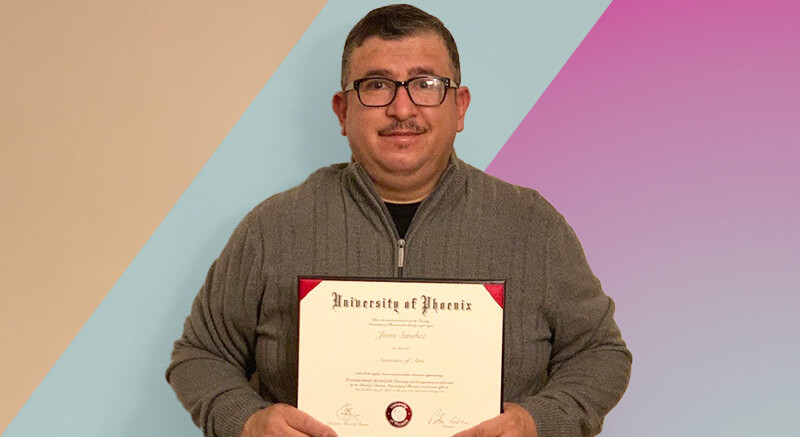
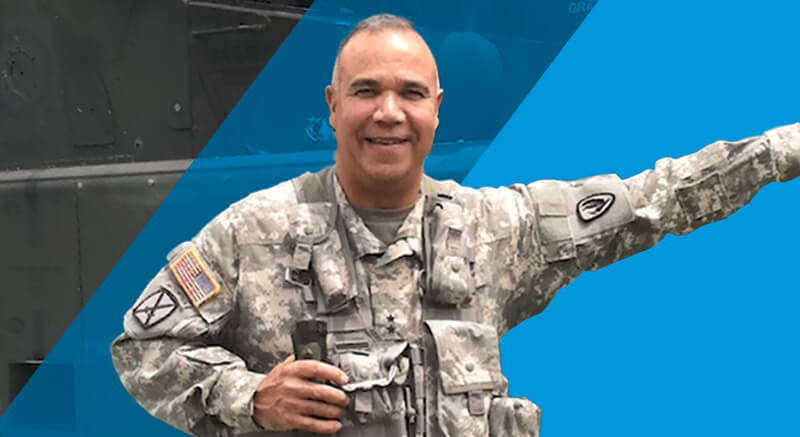
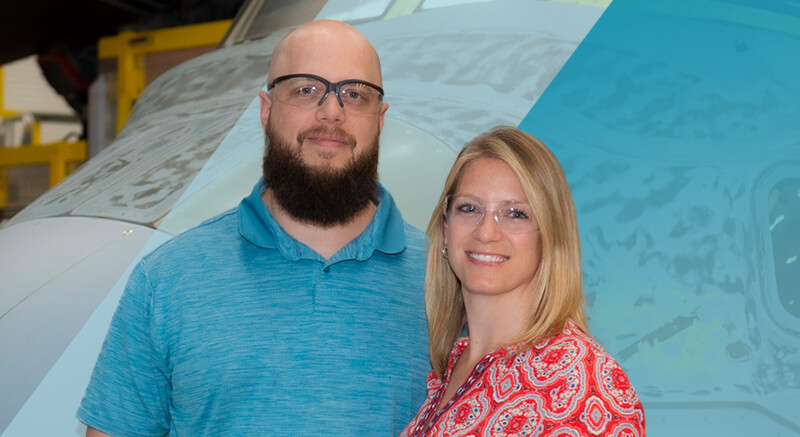
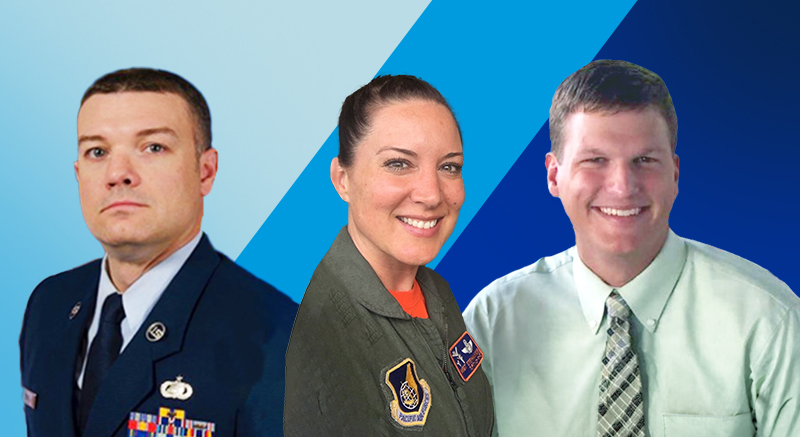
Hear from employees who have developed long-term careers at Boeing.

Is aerospace talent in demand?

Aerospace talent continues to be in demand across engineering, manufacturing and technical career fields. According to the U.S. Bureau of Labor Statistics, aerospace engineer employment is projected to grow 6% from 2024 to 2034, while aircraft and avionics equipment mechanics and technicians are projected to see approximately 13,100 job openings annually during the same period.

As aerospace technologies continue to evolve, areas such as software development, digital engineering, data analytics, cybersecurity, artificial intelligence and advanced manufacturing are becoming increasingly important across the industry.

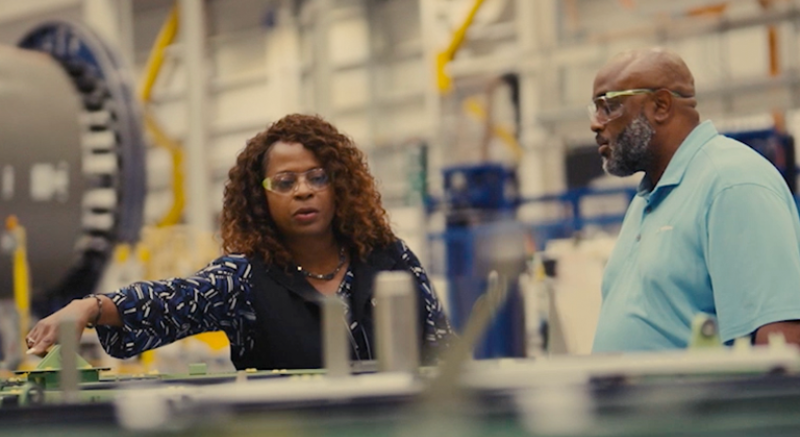
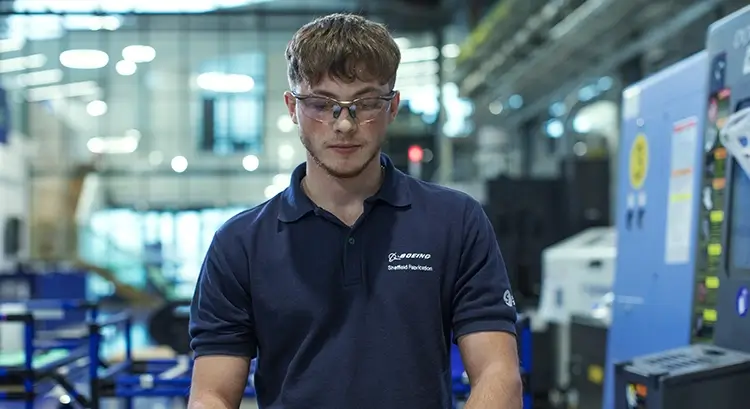
At the same time, organizations continue to rely on skilled manufacturing and production teams to help design, build and support aerospace products and services.

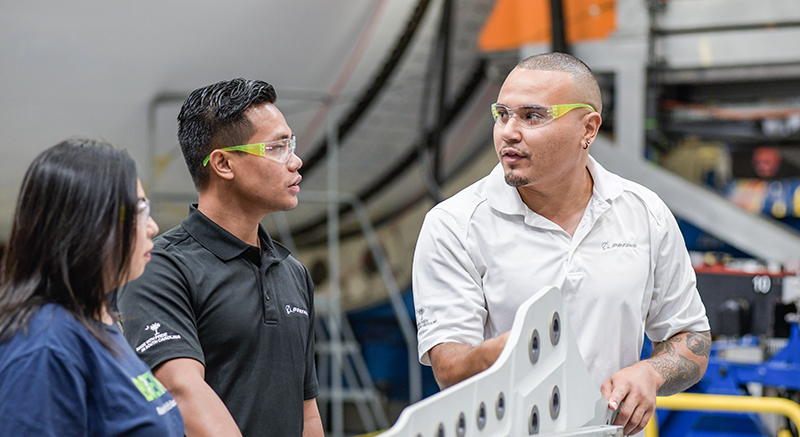
Explore open roles in engineering, manufacturing and more across aerospace at Boeing.

How do aerospace careers progress?

One reason many professionals are drawn to aerospace careers is the opportunity to pursue multiple career paths within the same industry.

A career journey might look like:

Mountaintop icon

Engineering Path

 
Entry-Level Engineer
    ↓
Project Engineer
    ↓
 Lead Engineer
    ↓
Engineering Manager
    ↓
Technical Fellow  or  Executive Leader                                                                                                              

Lightbulb icon

Manufacturing Path

 
Technician
    ↓
Manufacturing Lead
    ↓
Operations Manager
    ↓
Site Leader                                                                                                              

Mountaintop icon

Technology Path

 
Software Developer
    ↓
Senior Developer
    ↓
Technical Lead
    ↓
Engineering Manager                                                                                                              

Lightbulb icon

Business Path

 
Analyst
    ↓
Senior Analyst
    ↓
Program Manager
    ↓
Director                                                                                                              

Many aerospace professionals also move between functions, gaining experience in engineering, operations, technology and leadership roles throughout their careers.

Hear from employees about the many career paths possible at Boeing.

Can you switch careers within the aerospace industry?

Yes. One reason many professionals build long-term careers in aerospace is the opportunity to explore different career paths over time.

For example, employees may move from:

  • Engineering into project or program management
  • Manufacturing into operations leadership
  • Technical roles into people leadership positions
  • Military careers into civilian aerospace roles
  • Business functions into broader organizational leadership opportunities

 
Cross-functional experience can help employees broaden their skills while contributing to the aerospace industry.

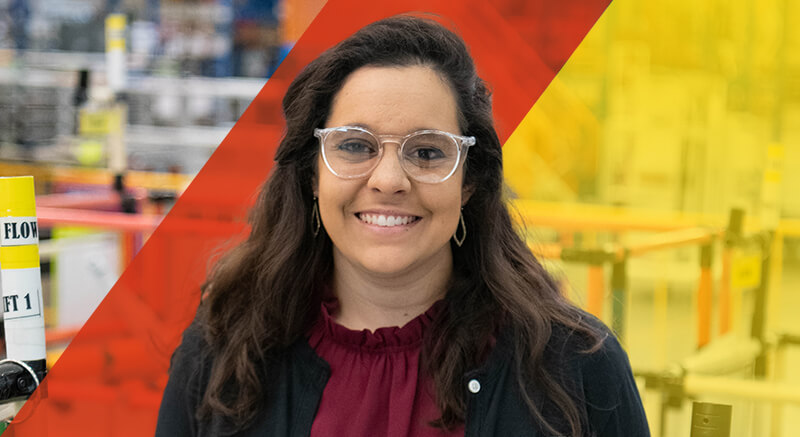
777 Quality Manager, Briana, transitioned from engineering to manufacturing: “I've had the chance to design airplanes and now I get the chance to build airplanes. It was something that I never quite expected my career would translate to."

Learn more about how Boeing supports career changes through learning and development programs and cross-functional opportunities.

Can you work in aerospace without an engineering degree?

Yes. Many aerospace roles do not require an engineering degree. Aerospace employers hire professionals from a variety of educational and professional backgrounds.

Examples include:

  • Manufacturing and production roles
  • Skilled trades positions
  • Supply chain and logistics careers
  • Finance and accounting roles
  • Human resources careers
  • Communications and marketing positions
  • Project management opportunities
  • Information technology roles

 
Many organizations also offer training, apprenticeships, internships and professional development programs that help employees build new skills throughout their careers.

Boeing offers one of the more comprehensive employee education and development programs among large employers, centered around its Learning Together Program and a broader ecosystem of professional development resources. In 2025, Boeing reported that approximately 12,000 employees received tuition assistance for degree and non-degree programs, with more than $99 million invested in tuition assistance. 

Learn more about Boeing’s tuition assistance program and more.

Where can I explore career opportunities in aerospace?

The aerospace industry offers career opportunities for people with a wide range of backgrounds, skills and interests. Whether you're interested in engineering, technology, manufacturing, skilled trades or business functions, aerospace careers can provide opportunities for growth, development and long-term career advancement.

Learn more about Boeing roles in the following career areas:

Jobs for You:

No recently viewed jobs.

View all of our available opportunities