
Beyond the dials: Finding the feel for a test aircraft
Published July 24, 2026
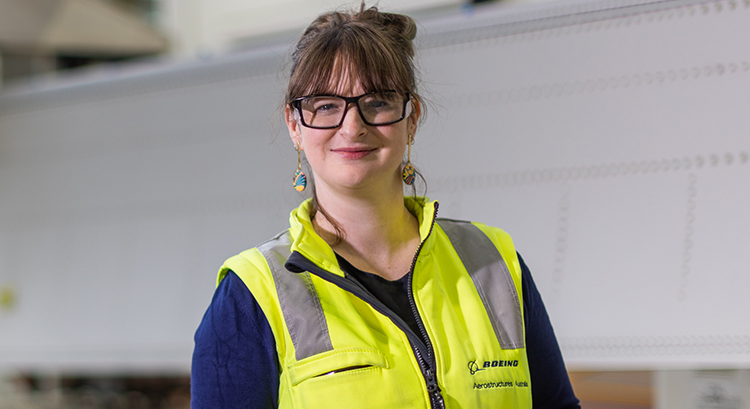
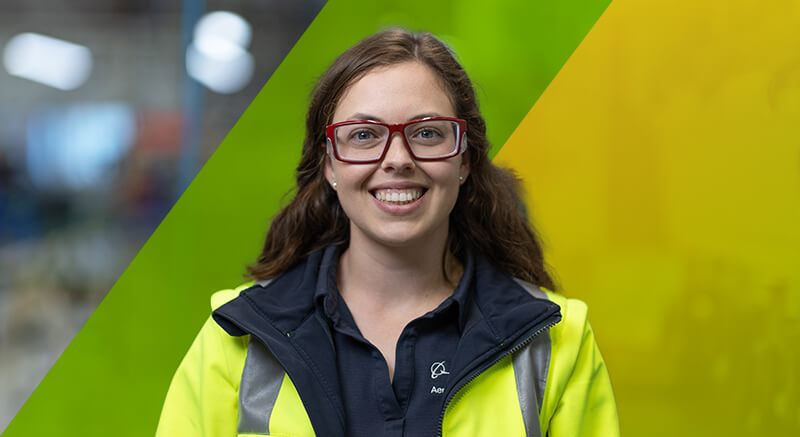
For Maisie Dobbs, testing new features on the Chinook is about more than data.
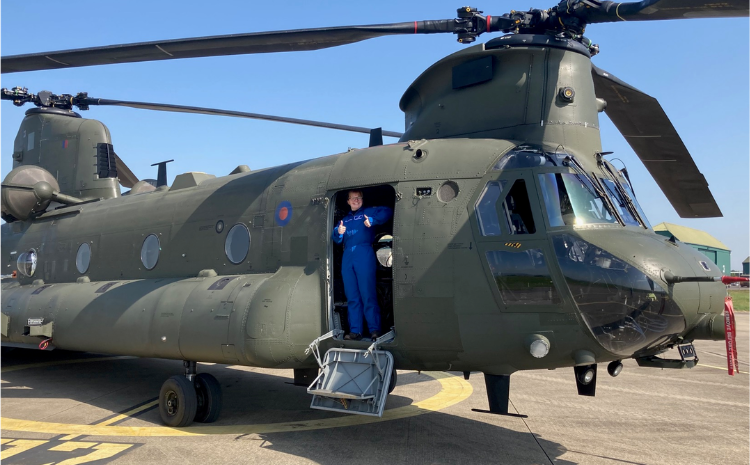
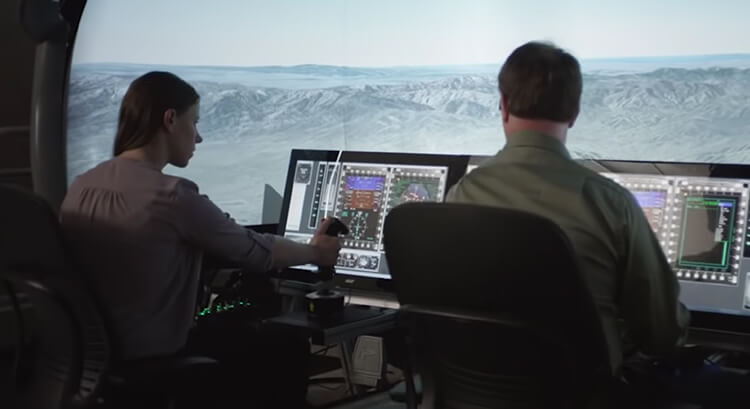
As a flight test engineer at Boeing Test & Evaluation UK, Maisie routinely finds herself in the jump seat of a modified Chinook helicopter. Sitting between the pilot and the co-pilot during test flights, she observes how the aircraft reacts in flight after parts have been modified to improve performance.
Her current focus is on the Chinook’s infrared suppression system, a self-defense modification that protects the aircraft from heat-seeking missiles by cooling engine exhaust and masking hot components.
“I get to be right in the action of the flying and make sure that the helicopter is performing the way we want it to,” she says.
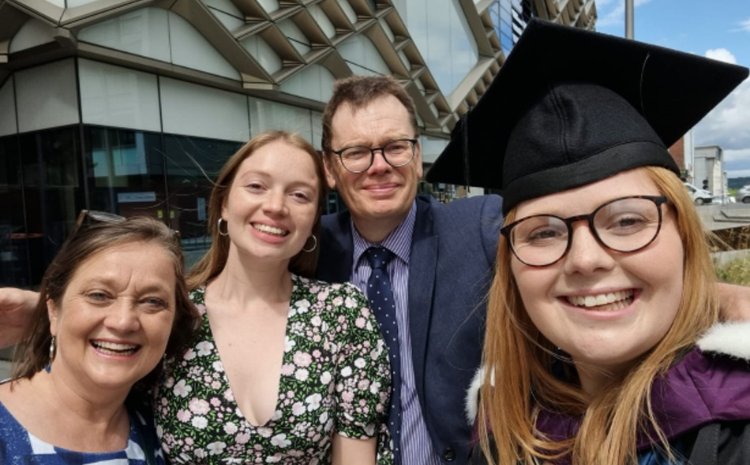
Maisie joined Boeing after graduating as an aerospace engineer from the University of Sheffield. With her engineering background and skills in math and analysis, her first attention during and after flights is on the data produced by the aircraft.
But she also knows data is not everything. “There is also the feeling, the expertise of people I work with. The pilots, who have a lot of experience on these aircraft, know what feels and what sounds right to them,” she says.
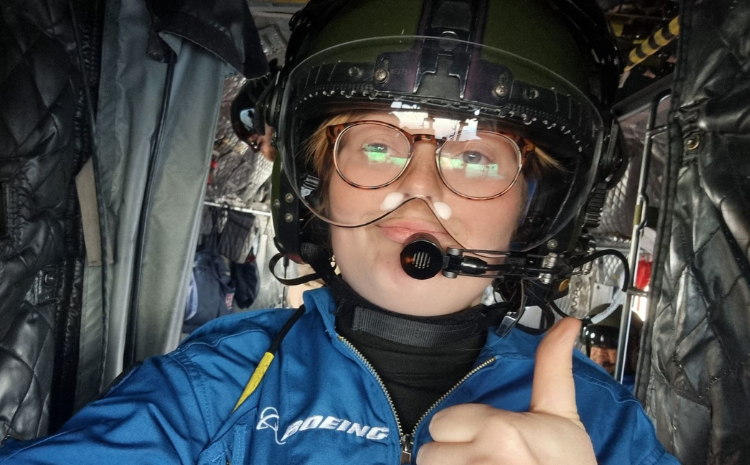
Beyond the flight line, Maisie is an active advocate for making engineering accessible. Together with her sister, she founded 2SistersinSTEM, a blog that advocates for more women working in science, technology, engineering and math. Maisie recently spoke about her role in front of 2,000 students during an online event with Primary Engineer, one of Boeing Global Engagement's Partners in the UK and Ireland.
“I’m genuinely passionate about what I do, and that enthusiasm comes through when I talk to people. I want to show that engineering is not just intellectually challenging but also hands‑on and full of unexpected opportunities. Speaking to over 2,000 students at the Primary Engineer schools event was a highlight. Moments like that make the work feel even more worthwhile.”
Explore UK Opportunities
- Support Engineering Data Intern- Summer 2027 Welwyn Garden City, United Kingdom 09/14/2026
- Data Analytics Intern - 6 Months Bristol, United Kingdom 09/14/2026
- Data Analytics Intern - 12 Month Placement Bristol, United Kingdom 09/14/2026
- PMO Analyst Intern - 12 Month Placement Frimley, United Kingdom 09/14/2026
-
 Two Ways To Stay Connected
Join our Global Talent Network and sign up for Job Alerts to learn about additional opportunities.
-
Working Here
We're a company of inquisitive, talented people. Find out what's important to us and what inspires us to do amazing things together.
-
Inside Boeing
See what it means to be part of #TeamBoeing. Explore stories and learn how our people grow their careers while shaping the future of aerospace.
-
Our Locations
Our global presence includes employees and operations in more than 65 countries. Explore some of our locations.
-
Frequently Asked Questions
See some of the most commonly asked questions about starting a career with Boeing.
-
Engineering Accelerated Launch Program
Designed for college sophomores majoring in engineering, this program prepares our next generation of leaders to take charge.
-
Search for Events in Your Area
Our hiring events are a great way to learn about our innovations and culture.
-
Military and Veterans
Join thousands of veterans who chose Boeing for their next mission.
-
Entry-Level Careers
Work on projects with a scope few companies can match in an entry-level role — where many of our senior leaders started their careers.
-
Internships
Gain hands-on experience and work alongside a team of industry leaders as you help build the future.
-
-
-
Manufacturing and Quality Roles in Seattle
Build advanced aerospace products while growing your skills and earning best-in-class benefits.
-
Our Environment
We're committed to environmental stewardship — an important pillar of our broader sustainability strategy to help make the world better for future generations.
-
Career Areas
Join our team of innovators and dreamers, engineers and designers, cybersecurity experts and technologists. This is where you'll help build tomorrow today.
-
UK Apprenticeship
Our three-year apprenticeships offer diverse experiences and prepare you to work on our aircraft.
-
Community Engagement
See how everyone here is an involved and engaged member of our communities.
-
Innovation is in our DNA
See how we innovate and operate to make the world better.
-
Boeing Career SkillBridge Program
Apply for opportunities in engineering, product support, IT, manufacturing and other areas.
-
'It's hard to describe the thrill of it'
Meet Ty'Quish, a mechanical engineer who has helped design and build the next-generation assault helicopter.
-
5 Tips for Acing Your Virtual Interview
Dalena Nguyen, a Talent Acquisition Advisor, shares her top tips for making a great first impression when interviewing by phone or online.
-
Stephanie McManus, Engineering Intern
Meet Stephanie, an Engineering Intern at Boeing Defence Australia. From working on safety-focused projects for the Classic Hornet fleet to gaining hands-on practical skills, she discusses how her Boeing experience reaffirmed her career path.
-
'Never stop learning'
Discover how our digital learning resources helped Boeing India teammate Antara upskill.
-
Accessibility Accommodations
If you need a reasonable accommodation for any part of the employment process, please contact us.
-
Meet Abbey Carlson: Former Intern Turned Space and Launch Engineer
Abbey Carlson, a former Boeing intern, shares her two major milestones: graduating from college and accepting her first job with Boeing.
-
Meet Bo, E-7A Wedgetail Systems Engineer
Bo designs and develops software and hardware that supports the Wedgetail's missions. Watch the video to learn how his work has an immediate impact.
-
Meet Francis: Inventor Strives to Make Space Safer
A Senior Composite Engineer at Boeing’s Satellite Development Center, Francis, says each patent represents a step toward achieving her childhood goal to make space safer.
-
'The possibilities are endless'
From space to defense, senior software and project engineer, Kimberly Sledge, inspires the next generation of Black women in STEM.
-
Boeing's Employee Referral Program
Learn how Boeing employees can earn a bonus by referring external hires.
-
‘Engineering reaches every industry; it’s part of everyday life’
Meet Hana McKee, an engineer whose curiosity inspires her to innovate the next generation of rotorcraft.
-
‘I’m a lifelong learner’
Meet Nixon, an engineer who uses our tuition assistance to stay on the cutting edge of emerging technology.
-
Recruitment Fraud Alert
Be aware of fraudulent job offers purporting to be from The Boeing Company and/or its affiliates. Learn what to look for.
-
Mother and Son Use Boeing Tuition Assistance To Learn — Together
Meet Melanie Brisbane, recent graduate and human resources professional. See how Melanie reached her dreams with help from our tuition assistance program.
-
Jae’s Early Fascination With Flight Led to a Role at Boeing
Meet Jae, a systems engineer on the world’s leading airborne early warning and control aircraft, Boeing’s E-7A Wedgetail.
-
‘I don’t just translate — I bridge gaps’
Meet Dama, an engineer and manager who strengthens our company by being a cultural and technical integrator.
-
‘I’ve challenged myself to grow’
Read how Kaomi Hashimoto has grown her career across continents, while supporting our next generation of leaders.
-
An Engineer's Creative Edge Helps Customers Chart Their Course
A a modeling and simulation engineer for Boeing Ground-based Midcourse Defense, or GMD, Kyle mostly deals in a world that’s conceptual, using a modeling system to simulate and predict how a customer request will perform in a real-world scenario.
-
We never stop growing
Whether you’re looking to expand your knowledge or grow as a leader, our development programs are designed to help you succeed.
-
It’s No Ordinary 9 to 5 For Manufacturing Engineer Lee
Meet Lee, a manufacturing engineer in Boeing’s Melbourne factory who has worked on commercial and defense aircraft, including the first Australian-made autonomous military aircraft, known as the MQ28A Ghost Bat.
-
A Veteran's Secret Weapon
What Marcie Purser, program management specialist, brings to the table is highly valued at Boeing: lasting connection.
-
‘I encourage others to take this opportunity!’
From aircraft assembler to avionics engineer, Vadym Vasylyshyn grew his career with our tuition assistance program.
-
Boeing Technical Apprenticeship Program
Earn as you learn technical skills and receive credentials that can set you up for success.
-
From soccer pro to Boeing engineer and leader
As a material and process engineer at Boeing South Carolina, Nelson earned his bachelor's, master's and doctoral degrees in engineering. See how leadership support and a drive for innovation drove his success.
-
Giving Back to the Country She Loves
Romina Cutescu, a systems engineer, works on programs that are critical to homeland security.
-
Meet Sarah, Manufacturing Engineer
Sarah designs and manufactures flight control components for Boeing commercial aircraft in Australia.
-
Data Science and Analytics Careers at Boeing
Data doesn’t work in silos — it needs to breathe and interact with other information in order to tell the whole story, not just parts of it. At Boeing, we’re working across our enterprise to let data and information drive our collective decision-making. Join our Data Science and Analytics team today.
-
Nicholas Owens, Supply Chain Management Intern
Meet Nicholas, a Supply Chain Management Intern at Boeing Australian Defence Force.
-
Electronic and Electrical Engineering Careers at Boeing
Electrical engineers work closely with our customers to develop electronic and electrical systems for Boeing aircraft, and world-class autonomous robotic systems for space, terrestrial, and underwater hardware. Learn more about the team.
-
Finance Careers at Boeing
Our finance professionals play a key role in guiding critical business decisions and cutting-edge solutions for the world’s leading aerospace company. Learn more.
-
“You can have five careers at Boeing.”
Since interning, Emily completed rotations in four business units and worked on the cargo air vehicle program. Today, she is a flight test engineer for the T-7A program.
-
Three Keys to Mission Success
Alex Campos, a Boeing Missile Defense contracts administrator and U.S. Navy reservist, shares his advice for staying on mission.
-
Flight Engineering Careers at Boeing
Flight engineers are essential to the development, safety and success of our products and solutions. Learn more about the team.
-
‘I’m inspired by the belief that we can always improve’
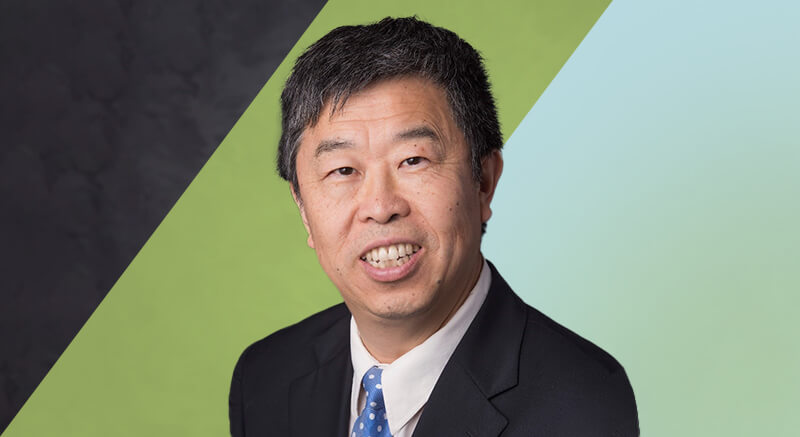
Meet Dr. Rongsheng “Ken” Li, a Principal Technical Fellow who has been awarded for his work in aerospace guidance, navigation and control systems.
-
Jade Newing, Systems Engineering Intern
Meet Jade, a Systems Engineering Intern at Boeing Defence Australia who spent her internship working with the Emerging Markets teams.
-
Building a Family On Their Terms
Read how Kristin Innes and her partner Bonnie are growing their family with help from Boeing's fertility benefits.
-
Industrial Engineering Careers at Boeing
Discover how you can make a difference at Boeing as an industrial engineer. Become part of a team that drives innovation across diverse technologies worldwide.
-
Test and Evaluation Engineering Careers at Boeing
As a Test and Evaluation Engineer at Boeing, you'll ensure that our next-generation commercial and defense products and systems meet the highest standards. Join us as we continue to push the boundaries of aerospace.
-
Meet Suba, a Space Launch Systems Leader who Broke Barriers
Discover how Suba Iyer turned her fascination with how things work into an engineering career.
-
'I feel a part of the Boeing family'
Discover how our Neurodiversity at Work program helped Thomas launch his software engineering career.
-
Thurgood Marshall College Fund
Boeing's partnership with Thurgood Marshall College Fund is an initiative supporting HBCUs through campus recruitment, career immersion, scholarships, and more.
-
From Interns to Innovators: Systems Engineers Blaze Paths to Success
Meet two systems engineers who are contributing to the next era of spaceflight.
-
'Helping people reach their potential inspires me'
Meet Wilton, a Quality manager for the Space Launch System program who helps create a culture where everyone can speak up.
-
Information Technology Careers at Boeing
As part of our Information Technology and Data Analytics team, you’ll support one of the largest corporate IT portfolios anywhere. Join us and help build the future.
-
Information Technology Internships at Boeing
Learn how you can get access to cutting-edge technology and grow your skills through our Information Technology & Data Analytics Intern Program.
-
Materials, Process and Physics Engineering Careers at Boeing
Come build the future with Boeing and develop the next generation of aircraft, space and underwater vehicles and revolutionary approaches to manufacturing.
-
Mechanical and Structural Engineering Careers at Boeing
Mechanical and structural engineers at Boeing develop and apply innovative technologies that shape the future. Learn more.
-
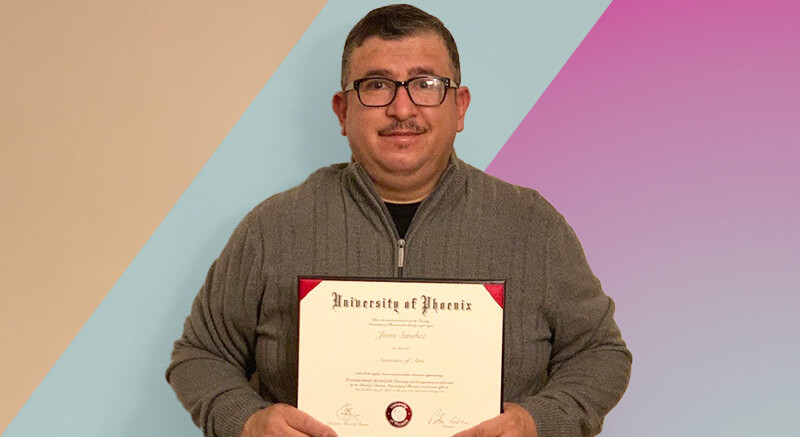
Clocking In: How 7 Hours a Week Changed Jesus’ Life
Meet Jesus Sanchez, a power machine operator in Auburn, Wash. See how Jesus used our tuition assistance program to obtain an associate degree in business.
-
The Best Call That I've Made
Faced with caring for two sick family members, Sandra Lankford leaned on Boeing's caregiver benefits for support. Watch Sandra's story.
-
Continuous Improvement: Meet Enrica, Industrial Engineer
Find out how Enrica is advancing her career at prestigious universities around the world with tuition assistance from Boeing.
-
Meet Sanh, 777X Design Engineer
Read how Sanh Ha, an engineer who is deaf, applied innovative thinking to safely overcome obstacles during a test flight.
-
Taking the Leap and Finding Success
Meet Kim, Greta and Miwa: Three women who took chances and developed their careers on their own terms.
-
Product Security Engineering Careers at Boeing
Discover how you can make a difference at Boeing as a product security engineer. Become part of a team that drives innovation across diverse technologies worldwide.
-
Production Engineering Careers at Boeing
At Boeing, our production engineers use their skills to build the future of advanced manufacturing. Learn more.
-
Supply Chain Management Careers at Boeing
With a career in supplier management at Boeing, you can help solve business challenges that are redefining an entire industry.
-
Systems Engineering Careers at Boeing
As a Systems Engineer at Boeing, you can help drive the overall design of innovative and high-quality products and solutions.
-
Not Your Ordinary 9 to 5
Meet Jimmy, an Air Force veteran and aviation safety coordinator that helps teams operating the F/A-18F Super Hornet and EA-18G Growler get home safely.
-
'Lean into discomfort': Career Advice From a Chief Engineer
Pete Kunz, Phantom Works chief engineer, describes opportunities that have shaped his career and shares tips for success.
-
'It may not be easy, but it will pay off': Meet Rayni Sivley
As project manager for Ground-based Midcourse Defense, Rayni isn't bothered by roadblocks. Read her advice for career growth.
-
Leading by Example: Meet Tony, Vice President of Army Systems
Anthony 'Tony' Crutchfield, Boeing vice president and retired lieutenant general, shares decades of leadership experience with students and early career professionals from underrepresented communities.
-
Business Operations Internships
In our Business Intern Program, you can be part of a team that is helping shape the future of aerospace.
-
Boeing in South Korea
We’re proud of our 75-year partnership with South Korea. Join us and help revolutionize aerospace development from the heart of Seoul.
-
-
Boeing in India
The most exciting advances in aerospace are being developed today in India. Join us and build a career at the center of our industry’s future.
-
From Making Soap to Making a Difference: Meet Oscar Johnson
A lifelong interest in chemistry sparked this engineer to desegregate lunch counters in 1960 and unveil cutting-edge technology in Boeing laboratories 50 years later.
-
Boeing in the UK
Across 30 key locations in the UK, we employ more than 3,000 highly skilled teammates. And, after 80 years of success, we keep growing.
-
Boeing in Washington, D.C.
Whether you're a software engineer, systems engineer, or cyber analyst, help us solve tough challenges and contribute to the security of the nation.
-
Boeing in Missouri
Join us and contribute to next-generation aircraft, training, and defense products and capabilities.
-
Automation is the Future
Read how Sarah Wauahdooah, a manufacturing research and development engineer, applies her robotics expertise on the V-22 Osprey program.
-
Love at First Flight
An operations manager and an analyst for the V-22 tiltrotor thrive on teamwork in the factory and at home.
-
‘I gained a family of leaders’
Stephanie Yount, engineer and recent Leadership Next graduate, discovers she’s most comfortable when she’s completely uncomfortable.
-
Boeing in Poland
We develop technologies that will shape the future of flight and we need your curiosity and unique perspective to help keep us innovating.
-
Keeping the World Moving
Meet Susana, a supplier quality specialist in Mexico who's using problem-solving skills to drive operational excellence.
-
Global Real Estate and Facilities Internships
A chance to start your career designing and building our next generation of products.
-
Boeing in Oklahoma
Learn how we continue to create opportunities for bright minds and see what makes this a great place to build a career.
-
Easing the Transition of U.S. Service Members
Learn how our partnership with SkillBridge is supporting veteran teammates in discovering their next mission.
-
Boeing in Alabama
As the largest aerospace company in the state, we play a vital role in the U.S. space and defense programs.
-
Boeing in California
As we transform aerospace, your skills will take center stage. Join us and help connect, protect and explore our world and beyond.
-
Finance Internships
In our Finance Intern Program, you can be part of a team that is helping shape the future of aerospace.
-
Meet OB, Starliner Spacecraft Technician
From making repairs on aircraft to building spacecraft, Oborsouis "OB" has had his hands in a little bit of everything.
-
Boeing in Texas
Explore what makes Boeing in Texas a great place to work.
-
Boeing in Japan
For more than 50 years, we’ve worked closely with Japan to help create the future of aerospace and bring new expertise to our future-focused products.
-
Boeing in Arizona
Known for producing the Apache and Little Bird aircraft, we’re also home to centers of excellence in software, composites, wiring and fabrication.
-
Meet Suzanne, Chief Engineer
Suzanne Brown is an avid sailor and chief engineer for the Patriot Advanced Capability-3 Missile seeker program.
-
Cyber Security Guard: Meet Anna Guthrie, Product Security Engineer
Product security engineer Anna Guthrie builds resilient technologies to protect against cyberattacks. In this interview, she offers a glimpse into a day in her life with our growing cybersecurity team.
-
Meet Jennifer, Boeing's First Female Chief Mechanic
See how Jennifer helps engineers understand assembly principles that lead them to design better airplanes.
-
Aim High: Meet Kristine, Space Launch Systems Engineer
Kristine Ramos, design engineer, goes above and beyond to advocate for human spaceflight.
-
Return Flight Program
Boeing’s Return Flight Program provides people with a pathway to return to their careers after an extended break.
-
Human Resources Internships
In our Business Intern Program, you can be part of a team that is helping shape the future of aerospace.
-
Supply Chain Internships
In our Supply Chain Intern Program, you can be part of a team that is helping shape the future of aerospace.
-
Electrical Engineering Internships
A chance to start your career designing and building our next generation of products.
-
Specialty Engineering Internships
A chance to start your career designing and building our next generation of products.
-
Flight Engineering Internships
A chance to start your career designing and building our next generation of products.
-
Industrial Engineering Internships
A chance to start your career designing and building our next generation of products.
-
Materials, Process & Physics Engineering Internships
A chance to start your career designing and building our next generation of products.
-
Mechanical & Structural Internships
A chance to start your career designing and building our next generation of products.
-
Benefits
Our Total Rewards program includes best-in-class benefits designed to meet your needs at every stage in life.
-
Software Engineering Internships
A chance to start your career designing and building our next generation of products.
-
Systems Engineering Internships
A chance to start your career designing and building our next generation of products.
-
Test & Evaluation Engineering Internships
A chance to start your career designing and building our next generation of products.
-
Angelie Vincent, Product Development Engineer, Recounts Her Journey With Autism
Angelie has been with Boeing for 12 years and was diagnosed with autism in April 2019. Through her story, she inspires others to overcome adversity.
-
Meet KJ
From the Rosebud Reservation in South Dakota to leading attack helicopter programs in Mesa, AZ., Kathleen “KJ” Jolivette inspires STEM interest among Native American students.
-
Meet Marcela
Electrical engineer Marcela Angulo works on next-generation defense technology and inspires Hispanic students to get involved in STEM.
-
Boeing in Ukraine
Our teams in Ukraine provide engineering expertise, consultation services, research and technical assistance for our platforms and aircraft that fly worldwide.
-
Boeing in South Carolina
Across our manufacturing plants, research and technology center, engineering center and propulsion sites, we’re developing new advances in flight.
-
‘If you do right, right will follow you’
Engineers Debra and Stacia discuss the importance of community connection and making an impact through even small actions.
-
-
Oklahoma City is where you’ll shape tomorrow’s innovations.
-
Unlock the secret to conquering fear
Engineering manager Aslihan Karlidag uses Boeing’s digital learning opportunities to keep her fears at bay
-
“There’s no better place to explore new roles and opportunities than Boeing.”
Chad, a Senior Software Manager, knows that growth happens outside the comfort zone.
-
‘Understand the challenges to see the opportunities’
Christina Upah believes problem-solving starts with a great team.
-
‘I was encouraged to get out of my comfort zone’
How a conversation at a career fair led business operations leader, Jennifer, on an unexpected career path.
-
‘We’re solving the world’s hardest problems’
From intern to leader, east to west and in between, Laura shares how business and technology merge
-
'People are here to learn and grow’
A lifelong Boeing employee, Rodney credits his varied career to managers’ support and his own curiosity.
-
‘When you feel like the professor, it’s time to be the student again’
Vice president Tresha Lacaux landed her dream internship at Boeing. Today, she’s landed her dream role.
-
Fascinated by kit airplanes as a child, Tresha is now chief engineer for the world’s most efficient twin-engine jet.
-
With a curiosity inspired by school projects, Kariza now helps develop sustainable aerospace technology.
-
'Speaking up can save lives'
Read how Dr. Catherine Sinclair, a software engineer with Boeing Defence Australia, increases awareness of domestic abuse and supports gender equity.
-
Boeing in Washington State
At the center of aviation since 1916, many of our most innovative products are designed and built here.
-
-
Meet Shruthi, Design Engineer
Shruthi discusses innovating with her design build team, and taking her next career step as a manufacturing engineer at Boeing in India.
-
It's a learner's paradise: Meet Rakesh Nanda
Discover how Rakesh and the design engineering team at the 787 Interiors Responsibility Center in India innovate and grow.
-
UK Equal Opportunity Statement
We are an equal opportunity employer.
-
Non US EOE Statement
We are an equal opportunity employer.
-
Boeing in Brazil
For more than 90 years, we’ve partnered with Brazil and today you can join a team filled with creative minds who are building what’s next.
-
Boeing Pre-Employment Training Program
The Boeing Pre-Employment Training Program (BPET) allows students from pre-certified academic manufacturing programs to skip the interview process when applying for specific manufacturing jobs at Boeing.
-
-
-
Meet Nathan: Phantom Works Operations Analyst
Nathan helps our defence customers make decisions using the power of modelling and simulation.
-
-
-
A Boeing family champions autism awareness
'At Boeing, I've found a supportive environment where my attention to detail and focus are valued.'
-
An engineer's career takes flight
'My team and I are using advanced tools and technologies to help chart Boeing’s future.'
-
'I leaped into the unknown'
Suellen achieved her dream to become a Boeing engineer. Now she’s mentoring our future leaders.
-
'I did it, and so can you'
Tayler made the transition from Air Force technician to flight operations mechanic. And with Boeing's help, she's now on her way to becoming an engineer.
-
Manufacturing Careers
Every day around the globe, Boeing manufacturing employees build the future of aerospace. Join our team. Your future is waiting.
-
Software Engineering Careers at Boeing
As a software engineer at Boeing your code will power products that defy gravity and fly faster than the speed of sound.
-
Human Resources Careers at Boeing
Boeing HR professionals support our employees as they manage their career path, develop their teams and chart the course for career development. Learn how you can join the team.
-
How to get an entry-level manufacturing job at Boeing
Want to start a career at Boeing but don’t have a four-year degree? Here’s what you need to know about our entry-level manufacturing opportunities.
-
How to get an entry-level job in aerospace manufacturing
Learn about the benefits of a manufacturing job in the aerospace industry and how you can qualify for one.
-
Is a manufacturing job right for you?
Launch your career in aerospace manufacturing by building some of the most iconic aircraft in the world. No degree required. Learn more.
-
The sky’s the limit
Meet Ronak, a Boeing India teammate who’s used our tuition assistance to grow his career, studying online and abroad.
-
Boeing in Australia
Join a team of more than 4,300 people providing leading-edge aviation services for our defense and commercial customers.
-
Military Spouse Career Accelerator Pilot Program
Our 12-week paid fellowship connects individuals with training, networking opportunities and hands-on experience.
-
Facilities and Asset Management Engineering Internships
A chance to start your career designing and building our next generation of products.
-
-
Excellence with Caring' is Key: Meet Dr. Nathan Brooks
Boeing's first Black Senior Technical Fellow grew from humble beginnings to executive leader and mentor.
-
Meet Satyaki, Helicopter Engineer
Satyaki helps to keep the Australian Army’s CH-47 Chinook helicopters flying around the clock.
-
'What are your qualifications?'
Meet Danielle and Ankita, two teammates who are breaking biases with the help of allies.
-
AI creator changes how autonomous systems work
‘It’s about technology and innovation that will transform aerospace as we know it.’
-
Jenna’s career path has been anything but traditional.
Veteran, military spouse and engineer, Jenna believes there are many paths to success.
-
-
Explore careers with Boeing Phantom Works
Discover a career with Phantom Works, Boeing’s advanced research and development division, and shape the future of aerospace. Apply today for engineering, cybersecurity, data intelligence jobs and more.
-
-
-
-
-
Elisa Rwagasana Ishimwe | Information Technology and Data Analytics Intern
Elisa’s passion for aviation motivates her to enhance internal tools that improve collaboration.
-
Adrian Sosa | Structures Design Engineer Intern
Adrian supports the efficiency and reliability of 777X wing structures through innovative design solutions.
-
Tristan Crumley | Design Engineer Intern
Tristan helps his team create experimental hardware designs for propulsion applications.
-
Mya Beathley | Engineering Intern
Learn how Mya contributes to safety and certification standards for Boeing Defense, Space & Security.
-
Niyathi Gorantla | Sustainability Intern
Meet Niyathi, who manages projects for our Sustainable Aerospace Together Forum.
-
-
Eva Strang | Strategy Analyst Intern
Through Aerospace Xelerated, Eva supports aerospace startups, fostering innovation and industry advancement.
-
Product Support Engineering Internships
A chance to start your career designing and building our next generation of products.
-
Safety & Airworthiness Engineering Internships
A chance to start your career designing and building our next generation of products.
-
Production Engineering Internships
A chance to start your career designing and building our next generation of products.
-
Product Security Engineering Internships
A chance to start your career designing and building our next generation of products.
-
-
-
-
-
-
Atira Sarat | Sustainability Innovation Research Intern
As a Research Intern, Atira is working on real-world projects and helping to shape the future of aerospace.
-
Đoàn Sĩ Anh | Retrofit Engineering Intern
From Vietnam to the United States, Doan learned about our company from engineers around the world.
-
-
Adrian Loekman | Airplane Maintenance Engineering Intern
From day one, Adrian felt welcomed and part of a collaborative team.
-
-
A passion for propulsion helps fuel the future of flight
Dominic and his team are at the forefront of studying alternative energy sources and future flight concepts.
-
FAQs on applying for jobs that require a security clearance.
Find answers to common questions about applying for aerospace and defense jobs that require a security clearance.
-
High-demand jobs for people with security clearances
Learn how having a security clearance can open new career and growth opportunities in the aerospace and defense industry.
-
Security clearance levels for aerospace & defense jobs explained
Learn about the different security clearance levels required for aerospace and defense jobs. Learn how to transfer active clearances to a job at Boeing
-
Career development for military spouses at Boeing
Explore job opportunities for military spouses at Boeing, including for jobs that require security clearance.
-
-
Get your degree on us
Our tuition assistance program pays your institution directly so you don't have to. Learn more about how we fund courses, certificates and degrees.
-
-
From excavating bones to building Boeing systems
Tori started her career digging up ancient bones as a budding archeologist. Today, she’s a systems engineer for our E-7A Wedgetail program in Adelaide, South Australia.
-
Boeing Pre-Employment Training Program
The Boeing Pre-Employment Training Program (BPET) in South Carolina allows students from pre-certified academic manufacturing programs to skip the interview process when applying for specific manufacturing jobs at Boeing.
-
Translate your military experience
Visit Oplign and match your unique skills and experience to our open roles.
-
-
-
-
-
-
-
Manufacturing in North Charleston
We’re hiring aircraft assemblers, painters and others to help build the best-selling widebody aircraft family in history. Start a lasting career in aerospace.
-
Match your skills to aerospace manufacturing careers
Your past work experience may translate well to a career in aerospace. Explore how your background aligns with high-demand roles in Boeing manufacturing facilities across the United States.
-
Boeing Manufacturing Accelerated Careers
Boeing Manufacturing Accelerated Careers (BMAC) allows select candidates to skip resume review for more advanced Boeing manufacturing job roles.
-
-
Navy roots guide leader of our UK fabrication site
Balancing family needs and career growth, Tyson Ralls used military training and company programs to rise to Sheffield site leadership.
-
-
A clear path to a rewarding career
Our program is training and graduating apprentices into full-time manufacturing roles.
-
-
-
Cybersecurity Careers at Boeing
Boeing is more than airplanes. More than satellites. More than cutting-edge cyber solutions. We work together with advanced technology on projects for the defense and intelligence communities. Join our Cybersecurity team.
-
-
How an apprenticeship launched a leadership journey
How Zach Jovanovich grew his career from machinist apprentice to senior operations manager by using mentorship and hands-on training.
-
“Boeing needs quality people who ‘give a damn’”
Will Santeo, aircraft modification technician, shares how the culture shift drew him in.
-
-
Boeing in Germany
Explore Boeing careers in Germany. Discover engineering, software, logistics and defense opportunities across Germany.



































































Explore Our Company
-
Two Ways To Stay Connected
Join our Global Talent Network and sign up for Job Alerts to learn about additional opportunities.
-
Working Here
We're a company of inquisitive, talented people. Find out what's important to us and what inspires us to do amazing things together.
-
Inside Boeing
See what it means to be part of #TeamBoeing. Explore stories and learn how our people grow their careers while shaping the future of aerospace.
-
Our Locations
Our global presence includes employees and operations in more than 65 countries. Explore some of our locations.
-
Frequently Asked Questions
See some of the most commonly asked questions about starting a career with Boeing.
-
Engineering Accelerated Launch Program
Designed for college sophomores majoring in engineering, this program prepares our next generation of leaders to take charge.
-
Search for Events in Your Area
Our hiring events are a great way to learn about our innovations and culture.
-
Military and Veterans
Join thousands of veterans who chose Boeing for their next mission.
-
Entry-Level Careers
Work on projects with a scope few companies can match in an entry-level role — where many of our senior leaders started their careers.
-
Internships
Gain hands-on experience and work alongside a team of industry leaders as you help build the future.
-
-
-
Manufacturing and Quality Roles in Seattle
Build advanced aerospace products while growing your skills and earning best-in-class benefits.
-
Our Environment
We're committed to environmental stewardship — an important pillar of our broader sustainability strategy to help make the world better for future generations.
-
Career Areas
Join our team of innovators and dreamers, engineers and designers, cybersecurity experts and technologists. This is where you'll help build tomorrow today.
-
UK Apprenticeship
Our three-year apprenticeships offer diverse experiences and prepare you to work on our aircraft.
-
Community Engagement
See how everyone here is an involved and engaged member of our communities.
-
Innovation is in our DNA
See how we innovate and operate to make the world better.
-
Boeing Career SkillBridge Program
Apply for opportunities in engineering, product support, IT, manufacturing and other areas.
-
'It's hard to describe the thrill of it'
Meet Ty'Quish, a mechanical engineer who has helped design and build the next-generation assault helicopter.
-
5 Tips for Acing Your Virtual Interview
Dalena Nguyen, a Talent Acquisition Advisor, shares her top tips for making a great first impression when interviewing by phone or online.
-
Stephanie McManus, Engineering Intern
Meet Stephanie, an Engineering Intern at Boeing Defence Australia. From working on safety-focused projects for the Classic Hornet fleet to gaining hands-on practical skills, she discusses how her Boeing experience reaffirmed her career path.
-
'Never stop learning'
Discover how our digital learning resources helped Boeing India teammate Antara upskill.
-
Accessibility Accommodations
If you need a reasonable accommodation for any part of the employment process, please contact us.
-
Meet Abbey Carlson: Former Intern Turned Space and Launch Engineer
Abbey Carlson, a former Boeing intern, shares her two major milestones: graduating from college and accepting her first job with Boeing.
-
Meet Bo, E-7A Wedgetail Systems Engineer
Bo designs and develops software and hardware that supports the Wedgetail's missions. Watch the video to learn how his work has an immediate impact.
-
Meet Francis: Inventor Strives to Make Space Safer
A Senior Composite Engineer at Boeing’s Satellite Development Center, Francis, says each patent represents a step toward achieving her childhood goal to make space safer.
-
'The possibilities are endless'
From space to defense, senior software and project engineer, Kimberly Sledge, inspires the next generation of Black women in STEM.
-
Boeing's Employee Referral Program
Learn how Boeing employees can earn a bonus by referring external hires.
-
‘Engineering reaches every industry; it’s part of everyday life’
Meet Hana McKee, an engineer whose curiosity inspires her to innovate the next generation of rotorcraft.
-
‘I’m a lifelong learner’
Meet Nixon, an engineer who uses our tuition assistance to stay on the cutting edge of emerging technology.
-
Recruitment Fraud Alert
Be aware of fraudulent job offers purporting to be from The Boeing Company and/or its affiliates. Learn what to look for.
-
Mother and Son Use Boeing Tuition Assistance To Learn — Together
Meet Melanie Brisbane, recent graduate and human resources professional. See how Melanie reached her dreams with help from our tuition assistance program.
-
Jae’s Early Fascination With Flight Led to a Role at Boeing
Meet Jae, a systems engineer on the world’s leading airborne early warning and control aircraft, Boeing’s E-7A Wedgetail.
-
‘I don’t just translate — I bridge gaps’
Meet Dama, an engineer and manager who strengthens our company by being a cultural and technical integrator.
-
‘I’ve challenged myself to grow’
Read how Kaomi Hashimoto has grown her career across continents, while supporting our next generation of leaders.
-
An Engineer's Creative Edge Helps Customers Chart Their Course
A a modeling and simulation engineer for Boeing Ground-based Midcourse Defense, or GMD, Kyle mostly deals in a world that’s conceptual, using a modeling system to simulate and predict how a customer request will perform in a real-world scenario.
-
We never stop growing
Whether you’re looking to expand your knowledge or grow as a leader, our development programs are designed to help you succeed.
-
It’s No Ordinary 9 to 5 For Manufacturing Engineer Lee
Meet Lee, a manufacturing engineer in Boeing’s Melbourne factory who has worked on commercial and defense aircraft, including the first Australian-made autonomous military aircraft, known as the MQ28A Ghost Bat.
-
A Veteran's Secret Weapon
What Marcie Purser, program management specialist, brings to the table is highly valued at Boeing: lasting connection.
-
‘I encourage others to take this opportunity!’
From aircraft assembler to avionics engineer, Vadym Vasylyshyn grew his career with our tuition assistance program.
-
Boeing Technical Apprenticeship Program
Earn as you learn technical skills and receive credentials that can set you up for success.
-
From soccer pro to Boeing engineer and leader
As a material and process engineer at Boeing South Carolina, Nelson earned his bachelor's, master's and doctoral degrees in engineering. See how leadership support and a drive for innovation drove his success.
-
Giving Back to the Country She Loves
Romina Cutescu, a systems engineer, works on programs that are critical to homeland security.
-
Meet Sarah, Manufacturing Engineer
Sarah designs and manufactures flight control components for Boeing commercial aircraft in Australia.
-
Data Science and Analytics Careers at Boeing
Data doesn’t work in silos — it needs to breathe and interact with other information in order to tell the whole story, not just parts of it. At Boeing, we’re working across our enterprise to let data and information drive our collective decision-making. Join our Data Science and Analytics team today.
-
Nicholas Owens, Supply Chain Management Intern
Meet Nicholas, a Supply Chain Management Intern at Boeing Australian Defence Force.
-
Electronic and Electrical Engineering Careers at Boeing
Electrical engineers work closely with our customers to develop electronic and electrical systems for Boeing aircraft, and world-class autonomous robotic systems for space, terrestrial, and underwater hardware. Learn more about the team.
-
Finance Careers at Boeing
Our finance professionals play a key role in guiding critical business decisions and cutting-edge solutions for the world’s leading aerospace company. Learn more.
-
“You can have five careers at Boeing.”
Since interning, Emily completed rotations in four business units and worked on the cargo air vehicle program. Today, she is a flight test engineer for the T-7A program.
-
Three Keys to Mission Success
Alex Campos, a Boeing Missile Defense contracts administrator and U.S. Navy reservist, shares his advice for staying on mission.
-
Flight Engineering Careers at Boeing
Flight engineers are essential to the development, safety and success of our products and solutions. Learn more about the team.
-
‘I’m inspired by the belief that we can always improve’
Meet Dr. Rongsheng “Ken” Li, a Principal Technical Fellow who has been awarded for his work in aerospace guidance, navigation and control systems.
-
Jade Newing, Systems Engineering Intern
Meet Jade, a Systems Engineering Intern at Boeing Defence Australia who spent her internship working with the Emerging Markets teams.
-
Building a Family On Their Terms
Read how Kristin Innes and her partner Bonnie are growing their family with help from Boeing's fertility benefits.
-
Industrial Engineering Careers at Boeing
Discover how you can make a difference at Boeing as an industrial engineer. Become part of a team that drives innovation across diverse technologies worldwide.
-
Test and Evaluation Engineering Careers at Boeing
As a Test and Evaluation Engineer at Boeing, you'll ensure that our next-generation commercial and defense products and systems meet the highest standards. Join us as we continue to push the boundaries of aerospace.
-
Meet Suba, a Space Launch Systems Leader who Broke Barriers
Discover how Suba Iyer turned her fascination with how things work into an engineering career.
-
'I feel a part of the Boeing family'
Discover how our Neurodiversity at Work program helped Thomas launch his software engineering career.
-
Thurgood Marshall College Fund
Boeing's partnership with Thurgood Marshall College Fund is an initiative supporting HBCUs through campus recruitment, career immersion, scholarships, and more.
-
From Interns to Innovators: Systems Engineers Blaze Paths to Success
Meet two systems engineers who are contributing to the next era of spaceflight.
-
'Helping people reach their potential inspires me'
Meet Wilton, a Quality manager for the Space Launch System program who helps create a culture where everyone can speak up.
-
Information Technology Careers at Boeing
As part of our Information Technology and Data Analytics team, you’ll support one of the largest corporate IT portfolios anywhere. Join us and help build the future.
-
Information Technology Internships at Boeing
Learn how you can get access to cutting-edge technology and grow your skills through our Information Technology & Data Analytics Intern Program.
-
Materials, Process and Physics Engineering Careers at Boeing
Come build the future with Boeing and develop the next generation of aircraft, space and underwater vehicles and revolutionary approaches to manufacturing.
-
Mechanical and Structural Engineering Careers at Boeing
Mechanical and structural engineers at Boeing develop and apply innovative technologies that shape the future. Learn more.
-
Clocking In: How 7 Hours a Week Changed Jesus’ Life
Meet Jesus Sanchez, a power machine operator in Auburn, Wash. See how Jesus used our tuition assistance program to obtain an associate degree in business.
-
The Best Call That I've Made
Faced with caring for two sick family members, Sandra Lankford leaned on Boeing's caregiver benefits for support. Watch Sandra's story.
-
Continuous Improvement: Meet Enrica, Industrial Engineer
Find out how Enrica is advancing her career at prestigious universities around the world with tuition assistance from Boeing.
-
Meet Sanh, 777X Design Engineer
Read how Sanh Ha, an engineer who is deaf, applied innovative thinking to safely overcome obstacles during a test flight.
-
Taking the Leap and Finding Success
Meet Kim, Greta and Miwa: Three women who took chances and developed their careers on their own terms.
-
Product Security Engineering Careers at Boeing
Discover how you can make a difference at Boeing as a product security engineer. Become part of a team that drives innovation across diverse technologies worldwide.
-
Production Engineering Careers at Boeing
At Boeing, our production engineers use their skills to build the future of advanced manufacturing. Learn more.
-
Supply Chain Management Careers at Boeing
With a career in supplier management at Boeing, you can help solve business challenges that are redefining an entire industry.
-
Systems Engineering Careers at Boeing
As a Systems Engineer at Boeing, you can help drive the overall design of innovative and high-quality products and solutions.
-
Not Your Ordinary 9 to 5
Meet Jimmy, an Air Force veteran and aviation safety coordinator that helps teams operating the F/A-18F Super Hornet and EA-18G Growler get home safely.
-
'Lean into discomfort': Career Advice From a Chief Engineer
Pete Kunz, Phantom Works chief engineer, describes opportunities that have shaped his career and shares tips for success.
-
'It may not be easy, but it will pay off': Meet Rayni Sivley
As project manager for Ground-based Midcourse Defense, Rayni isn't bothered by roadblocks. Read her advice for career growth.
-
Leading by Example: Meet Tony, Vice President of Army Systems
Anthony 'Tony' Crutchfield, Boeing vice president and retired lieutenant general, shares decades of leadership experience with students and early career professionals from underrepresented communities.
-
Business Operations Internships
In our Business Intern Program, you can be part of a team that is helping shape the future of aerospace.
-
Boeing in South Korea
We’re proud of our 75-year partnership with South Korea. Join us and help revolutionize aerospace development from the heart of Seoul.
-
-
Boeing in India
The most exciting advances in aerospace are being developed today in India. Join us and build a career at the center of our industry’s future.
-
From Making Soap to Making a Difference: Meet Oscar Johnson
A lifelong interest in chemistry sparked this engineer to desegregate lunch counters in 1960 and unveil cutting-edge technology in Boeing laboratories 50 years later.
-
Boeing in the UK
Across 30 key locations in the UK, we employ more than 3,000 highly skilled teammates. And, after 80 years of success, we keep growing.
-
Boeing in Washington, D.C.
Whether you're a software engineer, systems engineer, or cyber analyst, help us solve tough challenges and contribute to the security of the nation.
-
Boeing in Missouri
Join us and contribute to next-generation aircraft, training, and defense products and capabilities.
-
Automation is the Future
Read how Sarah Wauahdooah, a manufacturing research and development engineer, applies her robotics expertise on the V-22 Osprey program.
-
Love at First Flight
An operations manager and an analyst for the V-22 tiltrotor thrive on teamwork in the factory and at home.
-
‘I gained a family of leaders’
Stephanie Yount, engineer and recent Leadership Next graduate, discovers she’s most comfortable when she’s completely uncomfortable.
-
Boeing in Poland
We develop technologies that will shape the future of flight and we need your curiosity and unique perspective to help keep us innovating.
-
Keeping the World Moving
Meet Susana, a supplier quality specialist in Mexico who's using problem-solving skills to drive operational excellence.
-
Global Real Estate and Facilities Internships
A chance to start your career designing and building our next generation of products.
-
Boeing in Oklahoma
Learn how we continue to create opportunities for bright minds and see what makes this a great place to build a career.
-
Easing the Transition of U.S. Service Members
Learn how our partnership with SkillBridge is supporting veteran teammates in discovering their next mission.
-
Boeing in Alabama
As the largest aerospace company in the state, we play a vital role in the U.S. space and defense programs.
-
Boeing in California
As we transform aerospace, your skills will take center stage. Join us and help connect, protect and explore our world and beyond.
-
Finance Internships
In our Finance Intern Program, you can be part of a team that is helping shape the future of aerospace.
-
Meet OB, Starliner Spacecraft Technician
From making repairs on aircraft to building spacecraft, Oborsouis "OB" has had his hands in a little bit of everything.
-
Boeing in Texas
Explore what makes Boeing in Texas a great place to work.
-
Boeing in Japan
For more than 50 years, we’ve worked closely with Japan to help create the future of aerospace and bring new expertise to our future-focused products.
-
Boeing in Arizona
Known for producing the Apache and Little Bird aircraft, we’re also home to centers of excellence in software, composites, wiring and fabrication.
-
Meet Suzanne, Chief Engineer
Suzanne Brown is an avid sailor and chief engineer for the Patriot Advanced Capability-3 Missile seeker program.
-
Cyber Security Guard: Meet Anna Guthrie, Product Security Engineer
Product security engineer Anna Guthrie builds resilient technologies to protect against cyberattacks. In this interview, she offers a glimpse into a day in her life with our growing cybersecurity team.
-
Meet Jennifer, Boeing's First Female Chief Mechanic
See how Jennifer helps engineers understand assembly principles that lead them to design better airplanes.
-
Aim High: Meet Kristine, Space Launch Systems Engineer
Kristine Ramos, design engineer, goes above and beyond to advocate for human spaceflight.
-
Return Flight Program
Boeing’s Return Flight Program provides people with a pathway to return to their careers after an extended break.
-
Human Resources Internships
In our Business Intern Program, you can be part of a team that is helping shape the future of aerospace.
-
Supply Chain Internships
In our Supply Chain Intern Program, you can be part of a team that is helping shape the future of aerospace.
-
Electrical Engineering Internships
A chance to start your career designing and building our next generation of products.
-
Specialty Engineering Internships
A chance to start your career designing and building our next generation of products.
-
Flight Engineering Internships
A chance to start your career designing and building our next generation of products.
-
Industrial Engineering Internships
A chance to start your career designing and building our next generation of products.
-
Materials, Process & Physics Engineering Internships
A chance to start your career designing and building our next generation of products.
-
Mechanical & Structural Internships
A chance to start your career designing and building our next generation of products.
-
Benefits
Our Total Rewards program includes best-in-class benefits designed to meet your needs at every stage in life.
-
Software Engineering Internships
A chance to start your career designing and building our next generation of products.
-
Systems Engineering Internships
A chance to start your career designing and building our next generation of products.
-
Test & Evaluation Engineering Internships
A chance to start your career designing and building our next generation of products.
-
Angelie Vincent, Product Development Engineer, Recounts Her Journey With Autism
Angelie has been with Boeing for 12 years and was diagnosed with autism in April 2019. Through her story, she inspires others to overcome adversity.
-
Meet KJ
From the Rosebud Reservation in South Dakota to leading attack helicopter programs in Mesa, AZ., Kathleen “KJ” Jolivette inspires STEM interest among Native American students.
-
Meet Marcela
Electrical engineer Marcela Angulo works on next-generation defense technology and inspires Hispanic students to get involved in STEM.
-
Boeing in Ukraine
Our teams in Ukraine provide engineering expertise, consultation services, research and technical assistance for our platforms and aircraft that fly worldwide.
-
Boeing in South Carolina
Across our manufacturing plants, research and technology center, engineering center and propulsion sites, we’re developing new advances in flight.
-
‘If you do right, right will follow you’
Engineers Debra and Stacia discuss the importance of community connection and making an impact through even small actions.
-
-
Oklahoma City is where you’ll shape tomorrow’s innovations.
-
Unlock the secret to conquering fear
Engineering manager Aslihan Karlidag uses Boeing’s digital learning opportunities to keep her fears at bay
-
“There’s no better place to explore new roles and opportunities than Boeing.”
Chad, a Senior Software Manager, knows that growth happens outside the comfort zone.
-
‘Understand the challenges to see the opportunities’
Christina Upah believes problem-solving starts with a great team.
-
‘I was encouraged to get out of my comfort zone’
How a conversation at a career fair led business operations leader, Jennifer, on an unexpected career path.
-
‘We’re solving the world’s hardest problems’
From intern to leader, east to west and in between, Laura shares how business and technology merge
-
'People are here to learn and grow’
A lifelong Boeing employee, Rodney credits his varied career to managers’ support and his own curiosity.
-
‘When you feel like the professor, it’s time to be the student again’
Vice president Tresha Lacaux landed her dream internship at Boeing. Today, she’s landed her dream role.
-
Fascinated by kit airplanes as a child, Tresha is now chief engineer for the world’s most efficient twin-engine jet.
-
With a curiosity inspired by school projects, Kariza now helps develop sustainable aerospace technology.
-
'Speaking up can save lives'
Read how Dr. Catherine Sinclair, a software engineer with Boeing Defence Australia, increases awareness of domestic abuse and supports gender equity.
-
Boeing in Washington State
At the center of aviation since 1916, many of our most innovative products are designed and built here.
-
-
Meet Shruthi, Design Engineer
Shruthi discusses innovating with her design build team, and taking her next career step as a manufacturing engineer at Boeing in India.
-
It's a learner's paradise: Meet Rakesh Nanda
Discover how Rakesh and the design engineering team at the 787 Interiors Responsibility Center in India innovate and grow.
-
UK Equal Opportunity Statement
We are an equal opportunity employer.
-
Non US EOE Statement
We are an equal opportunity employer.
-
Boeing in Brazil
For more than 90 years, we’ve partnered with Brazil and today you can join a team filled with creative minds who are building what’s next.
-
Boeing Pre-Employment Training Program
The Boeing Pre-Employment Training Program (BPET) allows students from pre-certified academic manufacturing programs to skip the interview process when applying for specific manufacturing jobs at Boeing.
-
-
-
Meet Nathan: Phantom Works Operations Analyst
Nathan helps our defence customers make decisions using the power of modelling and simulation.
-
-
-
A Boeing family champions autism awareness
'At Boeing, I've found a supportive environment where my attention to detail and focus are valued.'
-
An engineer's career takes flight
'My team and I are using advanced tools and technologies to help chart Boeing’s future.'
-
'I leaped into the unknown'
Suellen achieved her dream to become a Boeing engineer. Now she’s mentoring our future leaders.
-
'I did it, and so can you'
Tayler made the transition from Air Force technician to flight operations mechanic. And with Boeing's help, she's now on her way to becoming an engineer.
-
Manufacturing Careers
Every day around the globe, Boeing manufacturing employees build the future of aerospace. Join our team. Your future is waiting.
-
Software Engineering Careers at Boeing
As a software engineer at Boeing your code will power products that defy gravity and fly faster than the speed of sound.
-
Human Resources Careers at Boeing
Boeing HR professionals support our employees as they manage their career path, develop their teams and chart the course for career development. Learn how you can join the team.
-
How to get an entry-level manufacturing job at Boeing
Want to start a career at Boeing but don’t have a four-year degree? Here’s what you need to know about our entry-level manufacturing opportunities.
-
How to get an entry-level job in aerospace manufacturing
Learn about the benefits of a manufacturing job in the aerospace industry and how you can qualify for one.
-
Is a manufacturing job right for you?
Launch your career in aerospace manufacturing by building some of the most iconic aircraft in the world. No degree required. Learn more.
-
The sky’s the limit
Meet Ronak, a Boeing India teammate who’s used our tuition assistance to grow his career, studying online and abroad.
-
Boeing in Australia
Join a team of more than 4,300 people providing leading-edge aviation services for our defense and commercial customers.
-
Military Spouse Career Accelerator Pilot Program
Our 12-week paid fellowship connects individuals with training, networking opportunities and hands-on experience.
-
Facilities and Asset Management Engineering Internships
A chance to start your career designing and building our next generation of products.
-
-
Excellence with Caring' is Key: Meet Dr. Nathan Brooks
Boeing's first Black Senior Technical Fellow grew from humble beginnings to executive leader and mentor.
-
Meet Satyaki, Helicopter Engineer
Satyaki helps to keep the Australian Army’s CH-47 Chinook helicopters flying around the clock.
-
'What are your qualifications?'
Meet Danielle and Ankita, two teammates who are breaking biases with the help of allies.
-
AI creator changes how autonomous systems work
‘It’s about technology and innovation that will transform aerospace as we know it.’
-
Jenna’s career path has been anything but traditional.
Veteran, military spouse and engineer, Jenna believes there are many paths to success.
-
-
Explore careers with Boeing Phantom Works
Discover a career with Phantom Works, Boeing’s advanced research and development division, and shape the future of aerospace. Apply today for engineering, cybersecurity, data intelligence jobs and more.
-
-
-
-
-
Elisa Rwagasana Ishimwe | Information Technology and Data Analytics Intern
Elisa’s passion for aviation motivates her to enhance internal tools that improve collaboration.
-
Adrian Sosa | Structures Design Engineer Intern
Adrian supports the efficiency and reliability of 777X wing structures through innovative design solutions.
-
Tristan Crumley | Design Engineer Intern
Tristan helps his team create experimental hardware designs for propulsion applications.
-
Mya Beathley | Engineering Intern
Learn how Mya contributes to safety and certification standards for Boeing Defense, Space & Security.
-
Niyathi Gorantla | Sustainability Intern
Meet Niyathi, who manages projects for our Sustainable Aerospace Together Forum.
-
-
Eva Strang | Strategy Analyst Intern
Through Aerospace Xelerated, Eva supports aerospace startups, fostering innovation and industry advancement.
-
Product Support Engineering Internships
A chance to start your career designing and building our next generation of products.
-
Safety & Airworthiness Engineering Internships
A chance to start your career designing and building our next generation of products.
-
Production Engineering Internships
A chance to start your career designing and building our next generation of products.
-
Product Security Engineering Internships
A chance to start your career designing and building our next generation of products.
-
-
-
-
-
-
Atira Sarat | Sustainability Innovation Research Intern
As a Research Intern, Atira is working on real-world projects and helping to shape the future of aerospace.
-
Đoàn Sĩ Anh | Retrofit Engineering Intern
From Vietnam to the United States, Doan learned about our company from engineers around the world.
-
-
Adrian Loekman | Airplane Maintenance Engineering Intern
From day one, Adrian felt welcomed and part of a collaborative team.
-
-
A passion for propulsion helps fuel the future of flight
Dominic and his team are at the forefront of studying alternative energy sources and future flight concepts.
-
FAQs on applying for jobs that require a security clearance.
Find answers to common questions about applying for aerospace and defense jobs that require a security clearance.
-
High-demand jobs for people with security clearances
Learn how having a security clearance can open new career and growth opportunities in the aerospace and defense industry.
-
Security clearance levels for aerospace & defense jobs explained
Learn about the different security clearance levels required for aerospace and defense jobs. Learn how to transfer active clearances to a job at Boeing
-
Career development for military spouses at Boeing
Explore job opportunities for military spouses at Boeing, including for jobs that require security clearance.
-
-
Get your degree on us
Our tuition assistance program pays your institution directly so you don't have to. Learn more about how we fund courses, certificates and degrees.
-
-
From excavating bones to building Boeing systems
Tori started her career digging up ancient bones as a budding archeologist. Today, she’s a systems engineer for our E-7A Wedgetail program in Adelaide, South Australia.
-
Boeing Pre-Employment Training Program
The Boeing Pre-Employment Training Program (BPET) in South Carolina allows students from pre-certified academic manufacturing programs to skip the interview process when applying for specific manufacturing jobs at Boeing.
-
Translate your military experience
Visit Oplign and match your unique skills and experience to our open roles.
-
-
-
-
-
-
-
Manufacturing in North Charleston
We’re hiring aircraft assemblers, painters and others to help build the best-selling widebody aircraft family in history. Start a lasting career in aerospace.
-
Match your skills to aerospace manufacturing careers
Your past work experience may translate well to a career in aerospace. Explore how your background aligns with high-demand roles in Boeing manufacturing facilities across the United States.
-
Boeing Manufacturing Accelerated Careers
Boeing Manufacturing Accelerated Careers (BMAC) allows select candidates to skip resume review for more advanced Boeing manufacturing job roles.
-
-
Navy roots guide leader of our UK fabrication site
Balancing family needs and career growth, Tyson Ralls used military training and company programs to rise to Sheffield site leadership.
-
-
A clear path to a rewarding career
Our program is training and graduating apprentices into full-time manufacturing roles.
-
-
-
Cybersecurity Careers at Boeing
Boeing is more than airplanes. More than satellites. More than cutting-edge cyber solutions. We work together with advanced technology on projects for the defense and intelligence communities. Join our Cybersecurity team.
-
-
How an apprenticeship launched a leadership journey
How Zach Jovanovich grew his career from machinist apprentice to senior operations manager by using mentorship and hands-on training.
-
“Boeing needs quality people who ‘give a damn’”
Will Santeo, aircraft modification technician, shares how the culture shift drew him in.
-
-
Boeing in Germany
Explore Boeing careers in Germany. Discover engineering, software, logistics and defense opportunities across Germany.
Jobs for You:
No recently viewed jobs.
View all of our available opportunitiesNo saved jobs.
View all of our available opportunitiesConnect with us
Join our Talent Community
Get updates about Boeing job opportunities, events and career information.
Sign up for our Talent CommunityVeteran Talent Community
Transition to a career in engineering, product support, IT, manufacturing or other areas.
Sign up for our Veteran Talent Community